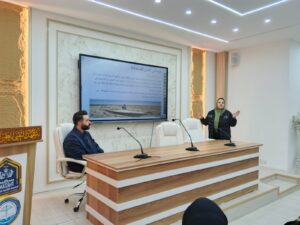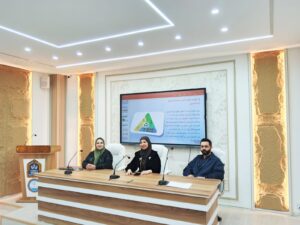
The Sustainable Cities Workshop is a vital platform that aims to highlight the necessity of transitioning to smart urban environments that respect the delicate balance between economic growth and the preservation of natural resources. This workshop seeks to review the latest innovative strategies in urban planning and green infrastructure development, focusing on reducing the carbon footprint and enhancing energy and water efficiency. Through the exchange of experiences and ideas among specialists and stakeholders, the workshop underscores the importance of integrating modern technology with environmental solutions to ensure the creation of resilient cities capable of facing future climate challenges and providing a better quality of life for future generations within a framework of comprehensive sustainability.
Workshop Objectives: The Sustainable Cities Workshop fundamentally aims to enhance the efficiency of urban environments by integrating environmental, economic, and social solutions to ensure a better quality of life for residents. It seeks to empower participants to develop strategies that reduce carbon emissions and manage natural resources such as water and energy intelligently, with a focus on creating a long-term balance that protects the rights of future generations to a healthy and prosperous environment. Some details of the workshop:
The workshop on sustainable cities is a knowledge platform that aims to highlight mechanisms for transforming traditional urban environments into environmentally friendly spaces. These spaces are fundamentally based on achieving a delicate balance between economic needs, social well-being, and the protection of natural resources.
The workshop addresses vital topics, beginning with the concept of green architecture and the use of innovative building materials that reduce carbon emissions. It also focuses on integrating renewable energy sources, such as solar panels and wind power, into urban infrastructure. The sessions also explore the importance of developing smart transportation systems and expanding green spaces to mitigate urban heat islands. Furthermore, they examine waste management strategies through recycling and energy conversion within the framework of a circular economy.
The workshop’s technological aspect is highlighted by discussing the role of artificial intelligence and the Internet of Things in accurately monitoring water and electricity consumption. This contributes to creating resilient communities capable of addressing climate change. The workshop concludes by presenting insights into the policies and legislation necessary to stimulate investment in these cities, ensuring a safer and more sustainable urban future for generations to come.