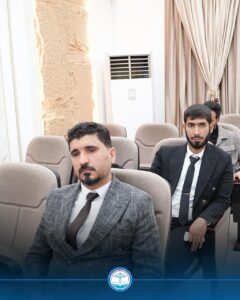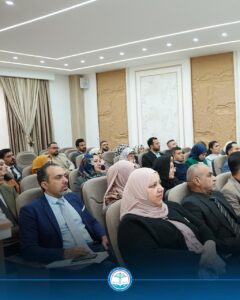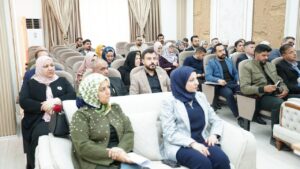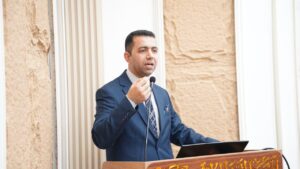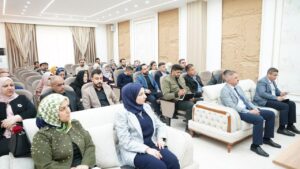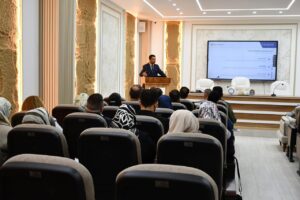
Under the patronage of the President of the Northern Technical University, Professor Dr. Alia Abbas Ali Al-Attar, the Higher Council for Quality organized a scientific workshop on ISO 45001 on Sunday, December 7, 2025. The workshop was hosted by the Medical Technical Institute in Kirkuk.
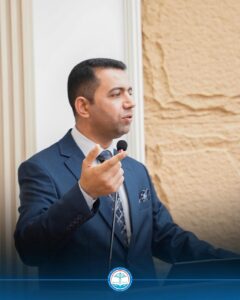
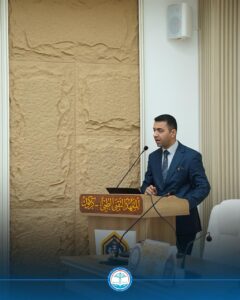
The workshop was presented by Assistant Professor Dr. Muntaser Eidi Sharif, Dean of the College of Engineering Technology for Computer and Artificial Intelligence in Kirkuk and Head of the Higher Council for Quality’s Support Committee for University Establishments Outside Nineveh. His presentation addressed the most important requirements for implementing ISO 45001 within educational institutions, along with a review of leading global practices in occupational health and safety systems.
The workshop included discussions on mechanisms for identifying occupational hazards, managing the work environment safely, and ways to promote a culture of safety in line with comprehensive quality standards. This contributes to raising institutional performance and improving the academic and administrative work environment.
The workshop was attended by:
• Assistant Professor Dr. Lizan Medhat Mohammed, Dean of the Medical Technical Institute/Kirkuk.
• Professor Dr. Mohammed Yawz Nour El-Din, Dean of the College of Health and Medical Technologies/Kirkuk.
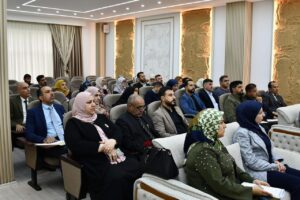
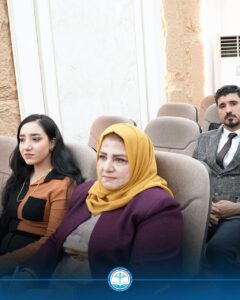
Also participating in the workshop were officials from the Quality Assurance departments and their affiliated units in the university’s Kirkuk, Hawija, Al-Dour, and Salah Al-Din campuses, in addition to a number of faculty members and staff who enriched the discussion with their valuable contributions and scientific inquiries.
At the conclusion of the workshop, the attendees commended the importance of such programs in supporting the quality assurance system within the university and in establishing the principles of occupational safety in accordance with approved international standards.