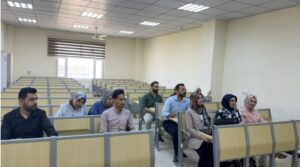
Methods for extracting active ingredients from medicinal plants vary depending on the nature of the compounds (polar, nonpolar, heat-sensitive) and include solvent extraction (alcohol, water), distillation (for volatile oils), leaching, or cold pressing. These methods aim to separate biologically active compounds such as alkaloids, flavonoids, and tannins from other plant materials. Oils and extracts from medicinal plants were used in ancient civilizations to treat diseases. Muslim scholars are credited with extracting and inventing the distillation apparatus, as well as understanding their properties and uses. Natural oils and extracts were a highly sought-after commodity, carried by caravans along with silk to distant horizons. Centers for spices and essential oils emerged, which are important in the pharmaceutical, cosmetic, antibacterial, soap, and paint industries. Oils are extracted by distillation, using organic solvents, or by pressing.
This seminar aims to highlight the importance of achieving the Sustainable Development Goals in water resource management, especially in arid and semi-arid regions. This will focus on the most prominent challenges facing these organizations, specifically in Iraq, and how to address these challenges and propose solutions.
The objective of the course, seminar, workshop, or panel discussion:
The process of extracting active ingredients from medicinal plants is a fundamental step in the fields of scientific research and pharmaceutical development. Studying in this area aims to achieve several key objectives:
• Identifying active compounds: Uncovering the chemical identity of the substances responsible for the plant’s therapeutic effect.
• Developing new drugs: Isolating pure compounds for use as a base for manufacturing pharmaceuticals and antibiotics.
• Evaluating biological activity: Studying the effect of extracts against bacteria, fungi, tumors, or as antioxidants.
• Determining safe dosages: Determining the concentration ratios of active ingredients to ensure efficacy and avoid toxicity or side effects.
• Improving production methods: Comparing the efficiency of different solvents and techniques to achieve maximum productivity at the lowest cost and time.
• Preserving traditional knowledge: Documenting and validating the popular uses of medicinal plants through rigorous scientific experiments.
• Mastering extraction techniques.
Some details of the course/seminar/workshop/discussion panel:
Seminar Topics:
1- Definition of the active ingredients and components in medicinal plants.
2- Explanation of methods for extracting active ingredients from medicinal plants.
3- Explanation of the importance of these plants and their uses.
4- Addressing the challenges facing these plants in Iraq.
5- Explanation of methods for cultivating these plants and how to use the extracted compounds in pharmacology.
M.M. Yildirim Fikret Abdulrazzaq, Pharmacy Techniques
M.M. Enas Jamil Abdulwahab, Pharmacy Techniques